
Select your language


Artificial Intelligence in Orthopedics
Artificial intelligence (AI) is one of the biggest technological innovations in the field of healthcare. In orthopedics, where diagnosis and treatment are largely based on the analysis of medical images and the assessment of the patient’s mobility, AI opens up new possibilities.
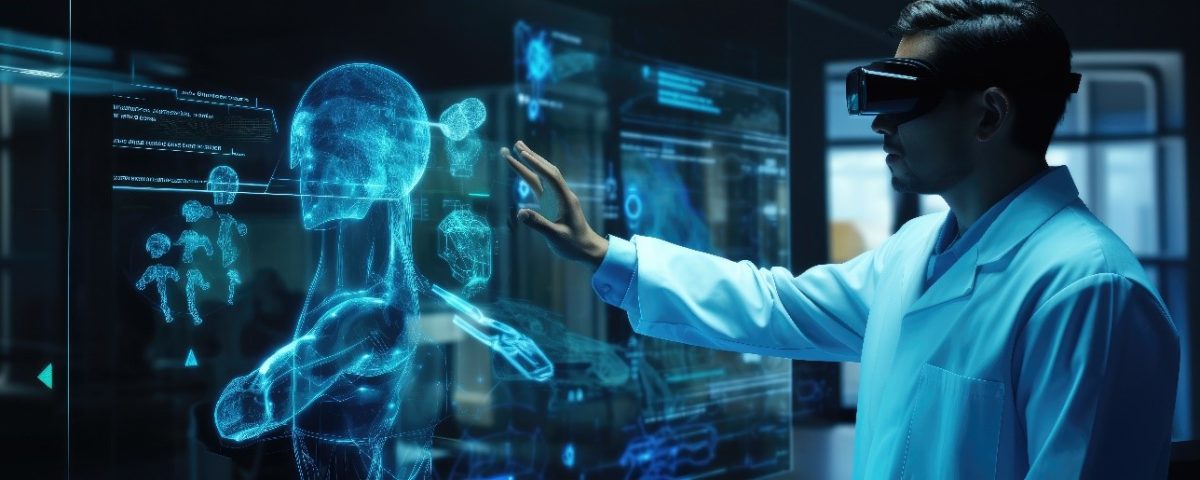
Modern algorithms can “read” X-rays, CT scans and MRI scans with speed and accuracy, identify lesions that sometimes escape the human eye, and provide the doctor with valuable decision-making support.
Where it helps in practice
Diagnosis of fractures and bone lesions
In a busy emergency department, the doctor has to see many X-rays in a limited time. A small hip fracture or a thin crack in the knee can easily be missed at first glance. An AI system can “sound the alarm” and show the suspicious spot to the doctor, so that he can review the image and start the right treatment in time.
Support in the operating room
During difficult procedures, such as arthroplasty or spinal correction surgery, AI can process images in real time and provide guidance. This makes the surgeon’s movements more precise, reduces risk and enhances patient safety.
Personalized rehabilitation
Using sensors that record the way the patient walks or moves, AI can detect if there is asymmetry, stiffness or incorrect loading in a joint. This information helps the physical therapist create a personalized rehabilitation program so that the return to everyday life can be faster and safer.
The necessary reservations
Despite its advantages, artificial intelligence cannot replace the doctor.
- Data limitations: Algorithms learn from existing images and cases. If this data does not include all categories of patients, there is a risk of errors.
- Lack of explanation: AI often gives a result without being able to explain “why”. The doctor must always check and confirm.
- Human contact remains irreplaceable: The relationship of trust with the patient, empathy and understanding of their personal needs are elements that no machine can reproduce.
Conclusion
Artificial intelligence is a valuable tool for orthopedics. It helps in diagnosis, during surgery and in rehabilitation, making medical care more accurate and efficient. However, the final decision will always belong to the doctor, who combines technology with his clinical experience and personal care for the patient.